


Ultra-Luxury Homes in Mumbai 2026: Who’s Buying at the Top, and How to Position for Them
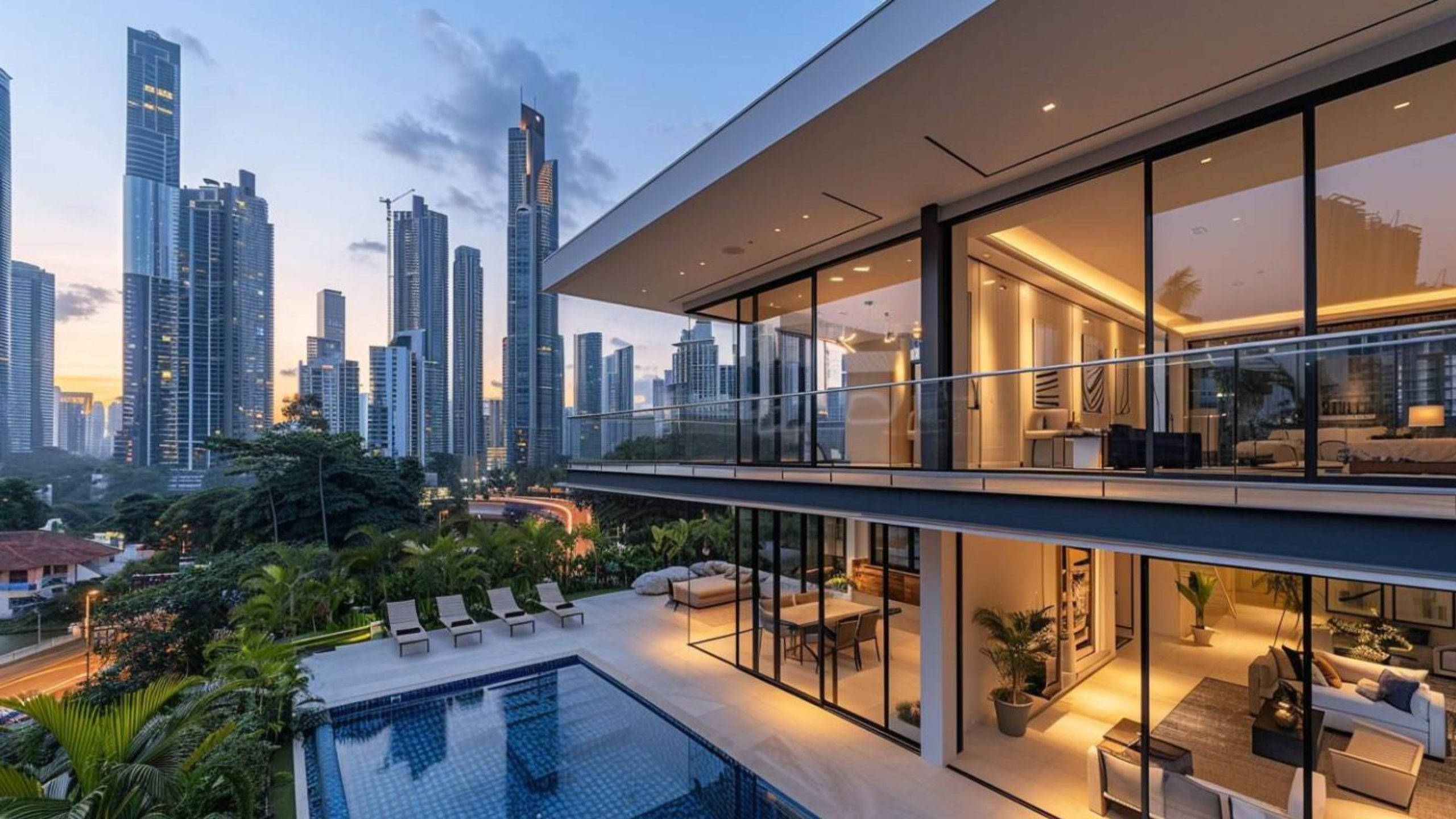
Mumbai’s ultra-prime market is booming, and it is being powered almost entirely by India’s own wealth. Sales of homes priced at ₹10 crore and above hit a record ₹18,512 crore in the first half of 2026, a 12 percent rise in value and a 26 percent jump in volume to 957 units, with the ₹10 crore-plus bracket growing 71 percent since 2023, the fastest growing segment of the market. The ₹20 to 40 crore band doubled, and 41 deals crossed ₹40 crore. For a developer, this is the most lucrative and most demanding end of real estate, where success depends almost entirely on understanding exactly who the buyer is and what, at this level, they are actually paying for. (Figures are from industry reports and move quickly.)
At the top of the market, you are not selling square footage. A ₹5 crore and a ₹15 crore home can offer the same carpet area. The difference is everything else.
The developers who win here sell brand, address, view, privacy and service. The ones who struggle think they are selling space.
Who is actually buying ultra-luxury homes in Mumbai?
A younger, self made, domestic elite, more than anyone else. Industry data shows the largest share of ultra-luxury buyers falls in the 45 to 55 age group at around 36 percent, with the 35 to 55 band together making up roughly 58 percent of the market. These are predominantly India’s own wealth creators, successful entrepreneurs, business promoters and senior professionals, whose expanding fortunes are driving the market far more than foreign money. NRIs and the global Indian diaspora add a meaningful second stream, as we explored in our piece on NRI buyers.
The concentration is striking. The top 10 localities account for around 80 percent of the city’s primary luxury sales value, and Worli alone is Mumbai’s largest luxury market by value and, by some estimates, represents a large share of all of India’s ultra-luxury demand. This is a market defined by a small number of buyers chasing a small number of addresses, which we examined in our Worli and Lower Parel spotlight.
What are buyers actually paying for at the top?
Everything beyond the floor plate. Since a ₹5 crore and a ₹15 crore home can both offer 3,000 to 5,000 square feet, the premium at the top is paid for intangibles and experience: a globally recognisable brand, a trophy address, uninterrupted sea or skyline views, genuine privacy, and a level of specification and service that reads as world class. Private elevators, advanced security, smart home systems, concierge and hotel grade amenities have shifted from luxuries to expectations at this level.
The most preferred configuration is telling. The 2,000 to 4,000 square foot segment accounts for the majority of primary luxury sales, so this is not only about ever larger mansions, it is about exceptional quality and experience in a well sized home. For a developer, that means the money is made in the brand, the finish, the view and the service proposition, not in piling on raw area. This connects to the broader shift we covered in branded residences, where a name and a service standard command a 20 to 40 percent premium.
How should developers position ultra-prime product?
With precision, because the buyer pool is tiny and discerning. Four things matter most. Location is non negotiable, since the top 10 micro-markets capture the overwhelming share of value, so the address largely determines the ceiling. Brand and trophy status justify the premium, whether through a branded residence tie up or a developer’s own marquee reputation. Differentiated experience, the views, privacy, amenities and services, is what closes the sale once the address and brand are established. And precise targeting matters, because reaching a few hundred genuine ultra high net worth buyers is a relationship and referral exercise, not a mass marketing one.
Getting this right is a strategy and positioning discipline from the very start, since an ultra-prime project mispriced or mispositioned in a tiny market can sit unsold for years. That is exactly where sharp positioning and marketing strategy built around the real buyer earns its fee.
What should developers keep in mind?
Respect the market’s sensitivity. For all its strength, the ultra-luxury segment is closely tied to equity markets and wealth sentiment, and even in a record year the industry reports caution that growth is likely to moderate from a high base, with developers already pricing more cautiously as ₹10 crore-plus prices eased slightly in 2026 after a strong multi year run. Parts of the ₹10 to 20 crore band have carried meaningful unsold inventory. The lesson is to position precisely, price realistically, and build genuine differentiation rather than assume the boom carries every project. This is market information, not investment advice, so specific decisions warrant professional counsel.