


Thane Real Estate 2026 : The Self-Contained City That Outgrew the “Affordable Mumbai” Label
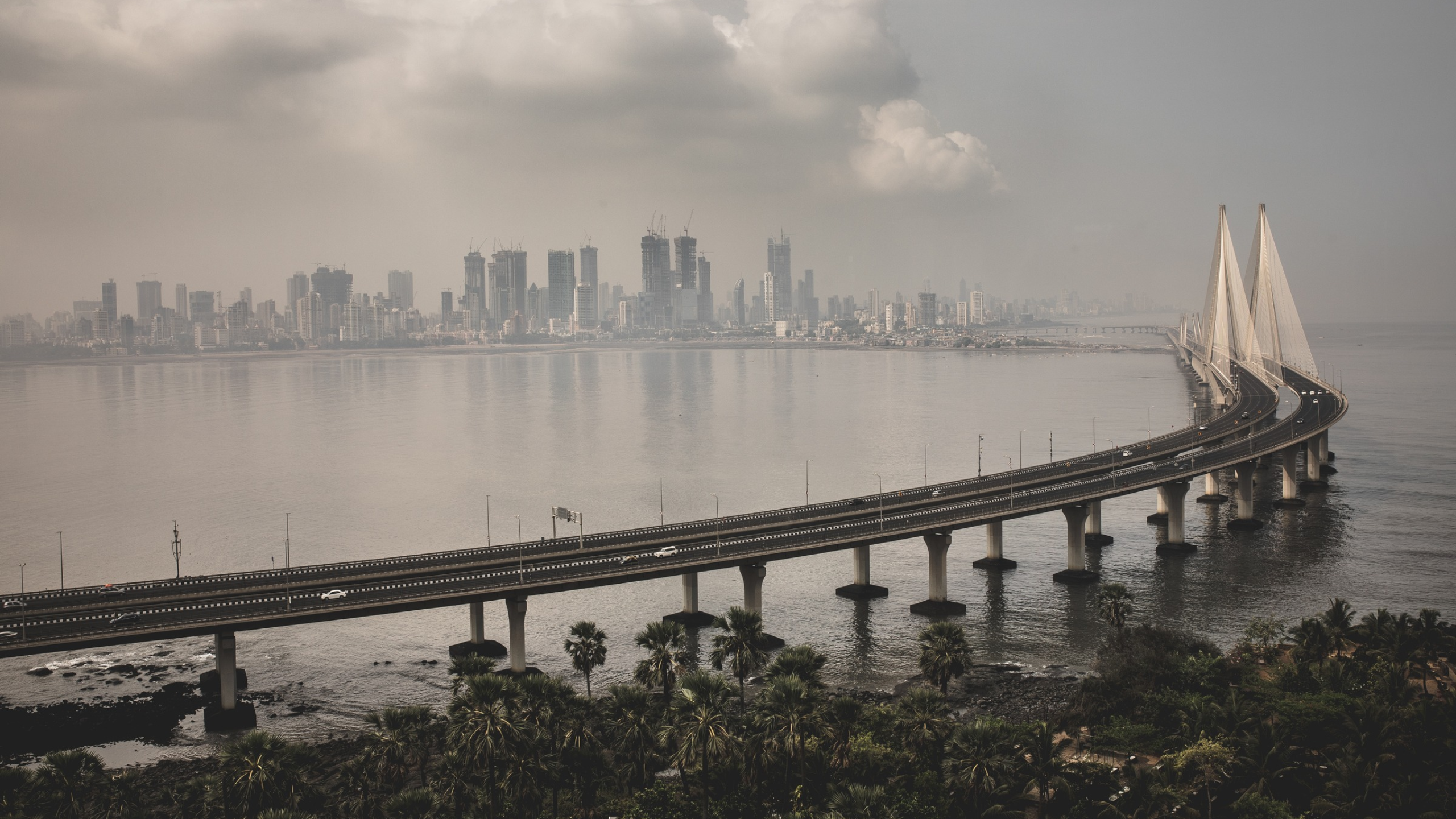
Thane has quietly become one of the strongest performing markets in the Mumbai Metropolitan Region, and it no longer trades on being cheaper than Mumbai. It was the MMR’s fastest absorbing residential market across 2020 to 2025, average home prices rose nearly 46 percent over three years, and Thane City recorded an annual transaction value of around ₹15,400 crore. Prices still sit roughly 30 to 50 percent below comparable Mumbai western suburbs, but the real story is a city with its own employment, lifestyle and infrastructure, now being repriced upward by major connectivity projects. For a developer, Thane offers deep, broad based demand and clear infrastructure catalysts, which is a rare combination. (Prices below are indicative and move quickly, so treat them as a guide, not a quote.)
Thane is no longer an overspill suburb. In 2026 it behaves like a layered city, where pricing is set by micro-market, not a citywide average.
The developers and buyers who do well here read the pockets, and especially the infrastructure timelines, rather than the headline.
Why is Thane performing so strongly?
A combination of value, livability and demand depth. For mid income and premium buyers priced out of Mumbai’s island city and western suburbs, Thane offers comparable infrastructure, larger apartments and materially lower per square foot pricing, which has driven years of strong absorption. Its lake city identity, established malls, schools and hospitals, and its own employment base in Thane MIDC and nearby office hubs mean it functions as a self contained city rather than a dormitory.
Demand is also broad based rather than speculative. Rental demand is strong from professionals working in Thane, Navi Mumbai’s tech parks and the BKC vicinity, who prefer Thane’s larger homes and lower cost of living. For a developer, that depth of genuine end user and rental demand is exactly what supports absorption and defends pricing through cycles.
What infrastructure is driving prices?
Two metro lines and a tunnel. Mumbai Metro Line 4, running from Wadala to Kasarvadavali through Thane, is in advanced construction with civil work past 70 percent and partial operations expected around 2026 to 2027, and Metro Line 5 extends toward Bhiwandi and Kalyan. Properties within roughly a kilometre of upcoming metro stations have already seen appreciation 15 to 20 percent above the city average. The Thane Borivali Twin Tunnel and the Coastal Road extension are widely expected to trigger the next leg of growth by dramatically cutting travel time to the western suburbs.
This is the classic infrastructure led repricing pattern we have covered in our piece on Mumbai’s infrastructure corridors, where the value is captured by positioning ahead of completion rather than after it. In Thane, the metro and tunnel timelines are the single most important variable in where to buy or build.
Where is the opportunity, micro-market by micro-market?
Thane prices in pockets, and each suits a different play. Ghodbunder Road, the city’s east to west connectivity spine, runs from Thane station toward Mira Road and carries the strongest mid to premium demand, with rates broadly in the ₹14,000 to ₹25,000 per square foot range depending on the pocket and metro proximity, making it the core long term appreciation bet. Hiranandani Estate is the established premium address, with rates reaching ₹26,000 to ₹36,000 per square foot. Pokhran Road offers mature social infrastructure, while Kolshet Road and emerging pockets along the Thane Dombivli Link Road carry earlier stage, more accessible pricing for buyers willing to wait for infrastructure to mature.
For developers, the clearest opportunities are redevelopment in the land scarce core, where older societies sit on high value, well connected land, and well positioned fresh projects along the metro proximate Ghodbunder belt. Matching the product to the pocket, premium for the core, value and larger formats for the emerging belts, is where positioning strategy earns its fee.