


Retail Real Estate 2026 : The Mall Shortage Is a Developer Opportunity Hiding in Plain Sight
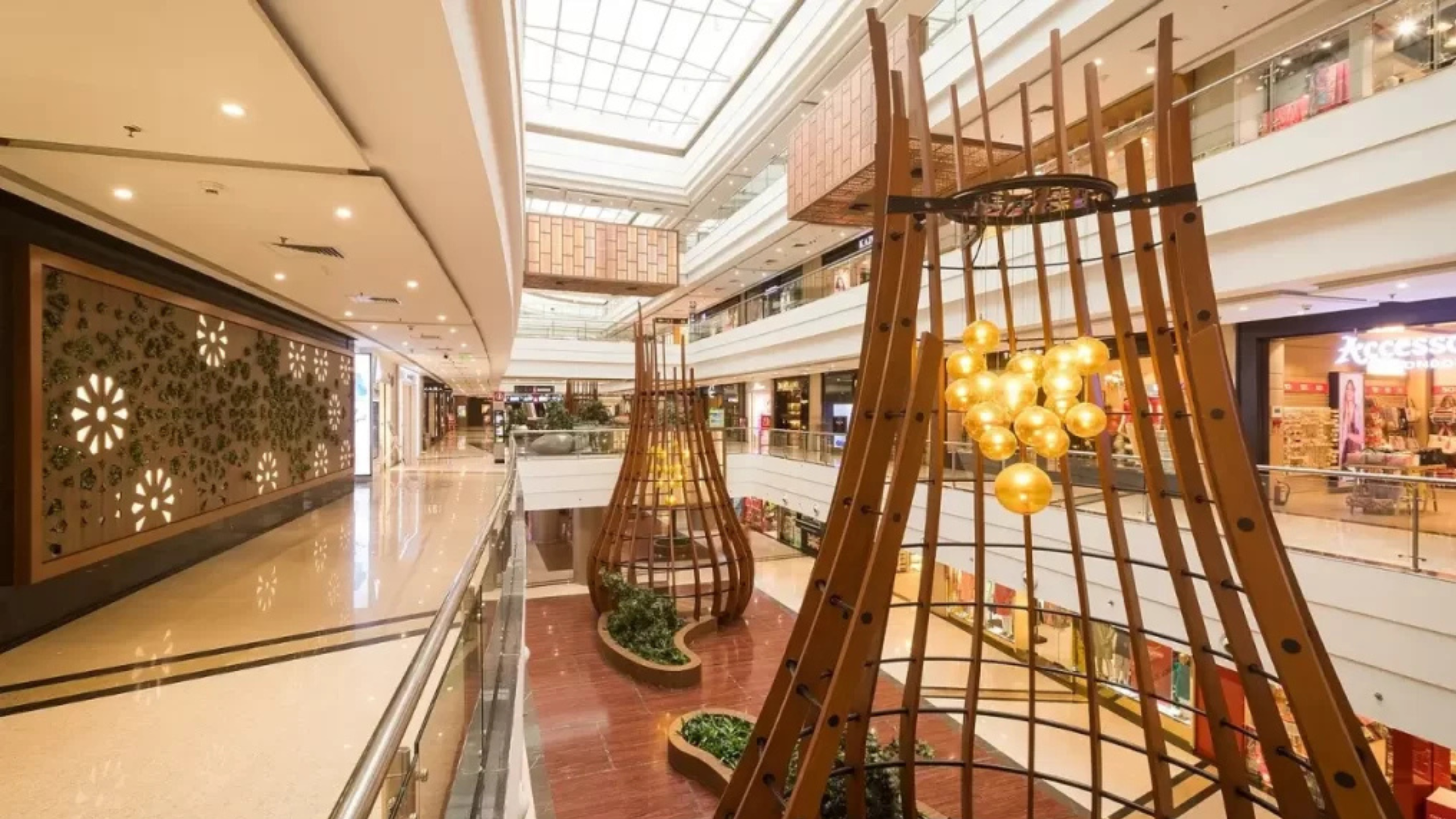
India’s retail property market is running hot, and the defining feature is scarcity. Grade A mall vacancy has tightened to just 4.8 percent, no new Grade A mall supply has entered the market for three straight quarters, and brands unable to find mall space are driving high street leasing to a 68 percent share of all retail take up. Retail leasing across the top eight cities reached 2.22 million square feet in the third quarter of 2026, with Delhi NCR, Hyderabad and Mumbai together accounting for 61 percent of it. For a developer or landowner, an undersupplied market with strong consumption demand is the clearest signal there is to build, and most are not acting on it.
The story is not weak demand. It is that there is nowhere near enough quality space to meet the demand that exists.
That shortage is handing pricing power to whoever owns, or builds, the right retail asset.
How strong is retail demand in India right now?
Strong, and increasingly starved of quality space. Retail leasing reached 2.22 million square feet in the third quarter of 2026 across the top eight cities, and while the quarterly figure dipped slightly, that was a supply problem, not a demand one. High street leasing surged to 1.51 million square feet, up more than 33 percent year on year, precisely because brands could not find the mall space they wanted. Mumbai, Delhi NCR and Hyderabad remain the demand heartland.
The clinching data point is vacancy. Grade A mall vacancy has fallen below 5 percent, a sharp year on year tightening, which puts landlords firmly in the driving seat. When quality malls run that full, rents rise and new, well located retail space leases almost as fast as it can be built.
Why is there a mall shortage?
Because supply has not kept pace with consumption for years. No new Grade A mall supply entered the market for three consecutive quarters, even as branded retail, food and beverage, entertainment and international labels kept expanding. India has a pipeline of around 12.7 million square feet of mall supply expected through 2028, but that is modest against the demand, and delays in delivering it keep high street rents elevated and brand expansion plans constrained.
The result is a structural imbalance. Older malls are being revived, prime high street rents are climbing, and brands are competing hard for a limited pool of quality space. For a developer, a shortage this persistent in a consumption market this large is not a temporary blip. It is a window.
Why should developers take retail seriously in 2026?
Because the economics and the exit have both strengthened. Quality retail assets have been delivering healthy rental growth and asset appreciation, and institutional capital has taken notice, with global and domestic funds building large mall portfolios. The exit route is maturing fast too, with the retail REIT market projected to reach ₹60,000 to 80,000 crore by 2030 and the first dedicated retail REITs expected in the next few years. A developer who builds a quality retail asset now is building into both strong rental demand and an emerging institutional exit.
The opportunity is not only large format malls. High street retail, where demand is surging and supply is tight, is a nearer term play, and integrating well designed retail into mixed use residential and commercial schemes captures the same consumption demand at lower standalone risk. Choosing the right format, location and tenant mix is a positioning decision, and the current commercial and retail demand environment rewards getting it right. Thinking it through properly is exactly where strategy and positioning advice adds value.
What should developers watch before committing?
What should developers watch before committing?
Retail is a specialised asset where location and tenant mix decide success. Footfall catchment, the right anchor and brand mix, parking and access, and the quality of mall management all determine whether an asset thrives or becomes a dead mall. The tenant here is a brand with exacting requirements, so the diligence and curation bar is high. Getting the catchment read and the leasing strategy right, with the correct tenant profile in mind, is where an experienced advisory and sales partner proves its worth. Palladian’s work across commercial and retail mandates is built on exactly that discipline, which you can see in the project portfolio.