


Realty Takes Wing with New Airports : India’s Next Big Growth Story in Real Estate
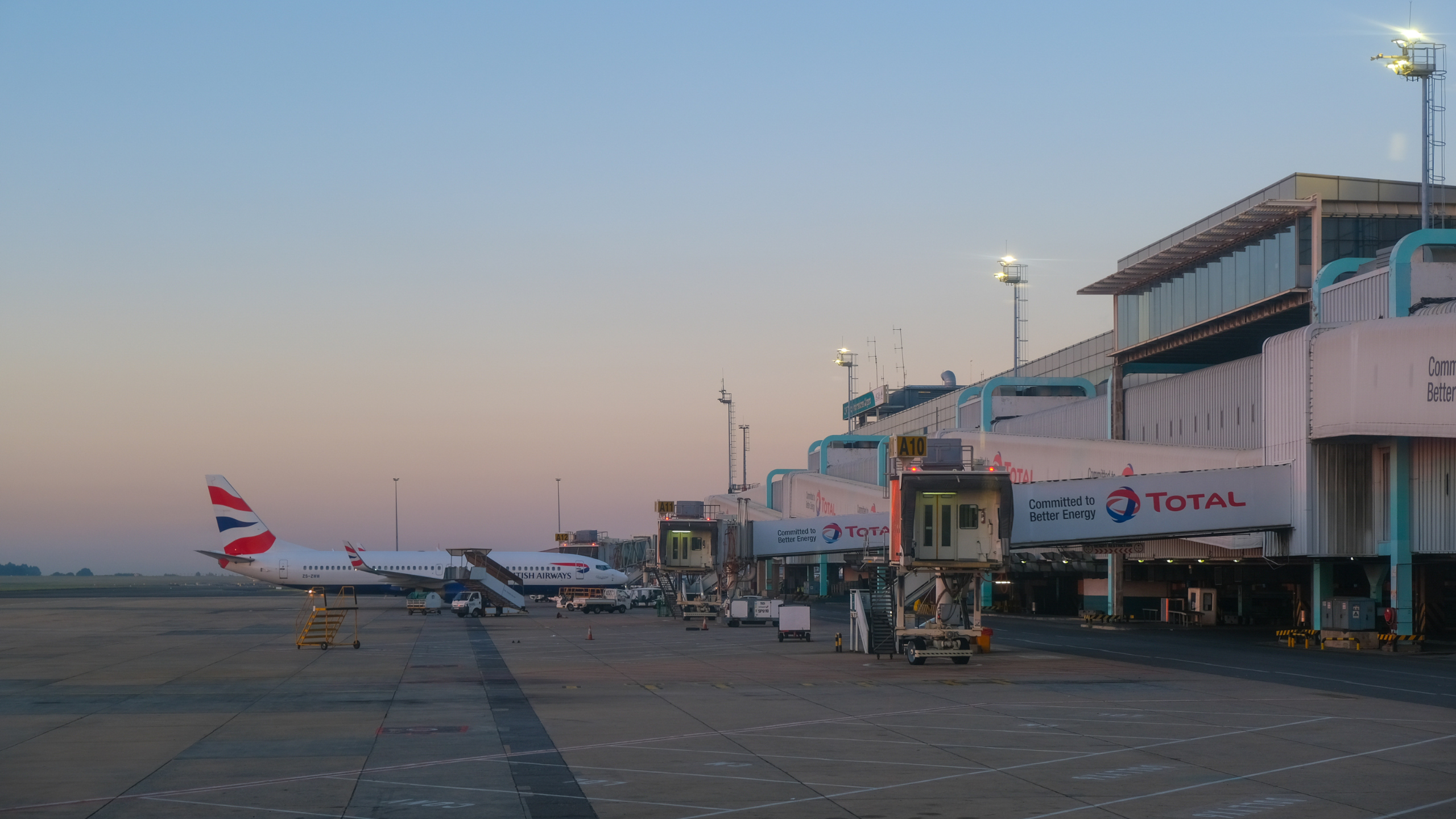
Introduction :
Airports as Growth Magnets
Airports have always been more than just gateways for travelers — they’re powerful engines for economic growth.
With new and upgraded airports coming up in cities like Chennai, Pune, Navi Mumbai, Jewar, Bhogapuram, and Rajkot, the ripple effect on nearby land and property markets is becoming increasingly evident.
Developers, investors, and even end-users are eyeing these zones for their high potential in residential, commercial, and hospitality developments.
India’s Airport Expansion Boom
India is currently witnessing its largest-ever airport development wave.
According to reports:
• The country will soon have nearly 150 operational airports.
• Around 50 new projects are either under construction or in advanced planning stages.
• Many of these are greenfield airports, designed with world-class infrastructure and passenger amenities.
This ambitious growth aligns with the government’s UDAN (Ude Desh ka Aam Nagrik) scheme, which aims to enhance regional air connectivity and make flying affordable for everyone.
Why Airports Matter for Real Estate
Proximity to an airport has long been a key driver of property appreciation. But with this new wave of projects, the scale is much larger. Here’s why airport-linked regions are booming :
1. Improved Connectivity :
Reduces travel time dramatically, making these areas ideal for both homebuyers and businesses.
2. Infrastructure Development :
Roads, flyovers, metro extensions, and expressways often accompany airport projects — enhancing accessibility.
3. Commercial Growth :
Airport zones attract hotels, logistics parks, and retail hubs, creating job opportunities and demand for housing.
4. Long-Term Value :
As connectivity improves, property prices in these regions typically rise faster than the city average.
Focus on Chennai: Growth Beyond the City Core
Chennai is a prime example of how airport-led development can transform local real estate.
The Chennai International Airport is undergoing a major expansion, while the Parandur Greenfield Airport project is set to redefine the city’s aviation and economic landscape.
Developers are already investing in areas such as :
• Pallavaram
• Tambaram
• Sriperumbudur
• Parandur
These micro-markets are witnessing land price appreciation ranging from ₹2,500 to ₹8,000 per sq. ft., depending on proximity to the new airport and connectivity corridors.
Risks to Watch
While the prospects are bright, investors must stay aware of certain risks :
• Project Delays: Infrastructure timelines can extend due to clearances and environmental factors.
• Land Disputes: Always verify title deeds and zoning regulations before purchase.
• Market Saturation: Rapid growth can sometimes lead to over-supply in nearby zones.
Experts advise conducting due diligence and focusing on reputed developers for secure investments.
Tips for Homebuyers and Investors
1. Invest Early :
Property prices near new airports rise significantly once construction milestones are achieved.
2. Check Connectivity Projects :
Upcoming expressways, metro links, or bypass roads add immense value.
3. Look for Integrated Townships :
Projects offering residential, retail, and recreational amenities promise better appreciation.
4. Think Long-Term :
Airport-led growth is gradual but steady — ideal for patient investors seeking sustainable returns.
The Bigger Picture
India’s airport expansion is not just about aviation — it’s about urban transformation.
Each new airport acts as a growth nucleus, pulling in infrastructure, employment, and lifestyle developments. From Navi Mumbai to Jewar, these regions are evolving into self-sustained urban ecosystems, redefining where India lives and works.
“Airports are becoming the new business districts. Their influence extends far beyond travel — they shape the cities of tomorrow,” says a leading real estate analyst.