


Plotted Development in 2026 : The Lower Capital, Faster Recovery Play Developers Are Returning To
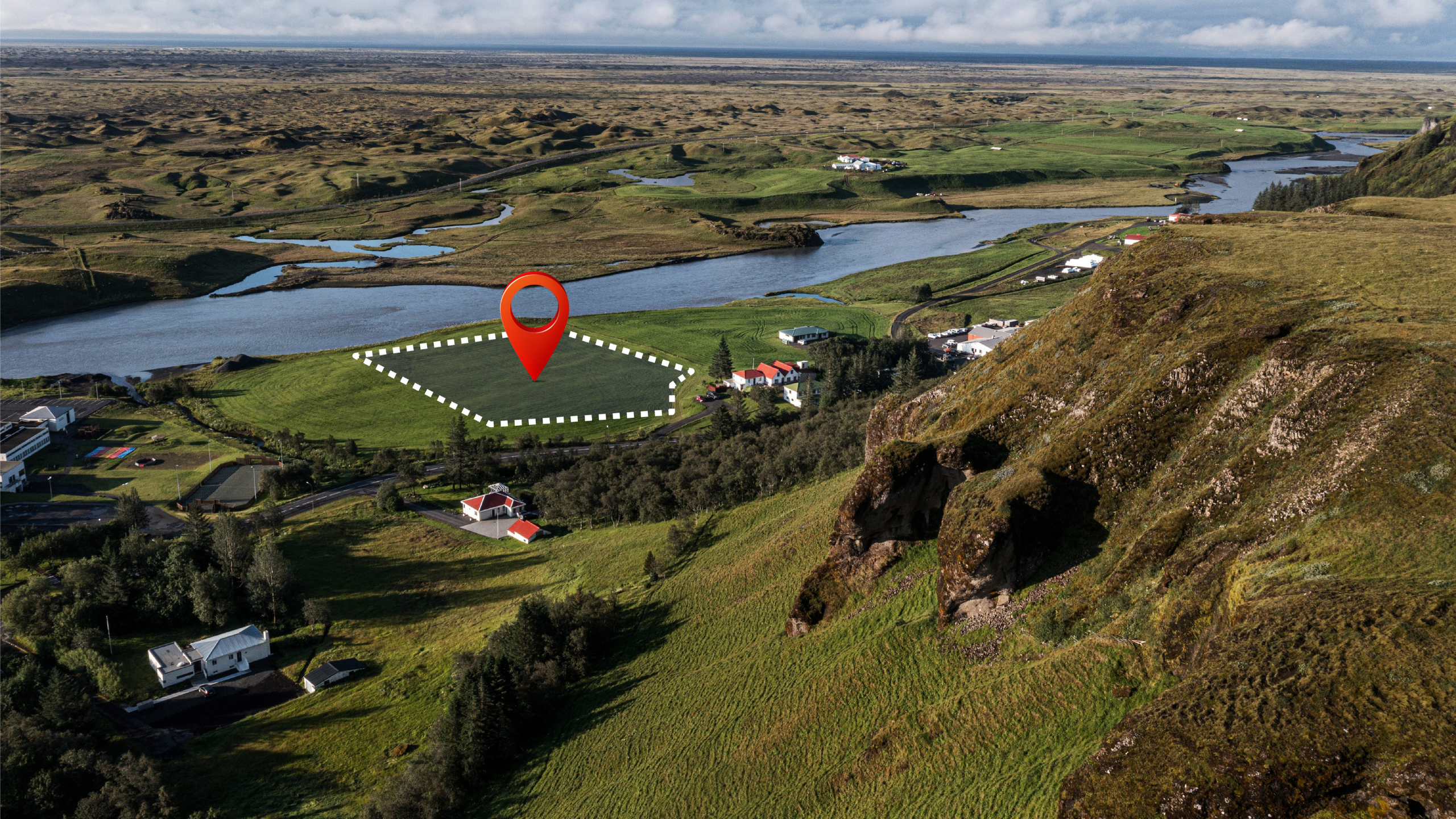
Land is quietly becoming one of the most interesting products a developer can sell, and the economics are a large part of why. Plotted development lets a developer buy land, convert it, lay out roads, utilities and amenities, and sell plots, with far lower construction cost and risk than building towers, and much faster capital recovery. The segment is professionalising fast: in 2025 around 215 new plotted projects were registered across India, a 43 percent jump over the previous year, and the Mumbai Metropolitan Region saw the highest volume of land transactions among the top seven cities, with over 500 acres changing hands. For a developer, a product with lighter capital intensity, quicker returns and a meaningful tax advantage deserves a serious look.
The old image of land dealing was informal and risky. The new reality is RERA registered, non agricultural converted, sanctioned layout plotted communities that institutional and retail buyers trust.
And there is a quiet economic edge most developers underuse. The sale of land does not attract GST at all.
Why is plotted development attractive to developers?
The economics are fundamentally different from vertical development. Because the developer sells serviced plots rather than constructed units, construction cost and risk fall sharply, and capital is recovered faster, since there is no multi year build to fund before revenue arrives. Buyers often pay in a phased manner tied to development milestones rather than a long construction linked schedule, which further improves the developer’s cash flow.
Then there is tax. Land as such sits outside GST entirely, unlike an under construction building, which attracts GST on the sale. For a buyer that removes a cost layer, and for a developer it simplifies the proposition. This connects directly to the broader GST picture for developers, where the treatment of land and under construction property differ in ways that shape project economics. Lighter capital, faster recovery and a cleaner tax position make plotted development a genuinely different, and often complementary, line of business.
What is driving demand for plots?
A mix of connectivity, flexibility and a renewed appetite for land ownership. Improved highways, expressways and metro corridors keep opening up new, well located land on city peripheries, and buyers value the control a plot gives them over what and when they build. Plotted and gated communities have been capturing a growing share of new residential launches, and RERA registered projects in well connected corridors have been outperforming broader residential appreciation.
Near Mumbai, the demand splits into two clear streams. Residential non agricultural plotted communities serve buyers who want to build a home in a growing corridor, and leisure or farmland plots serve second home and lifestyle buyers in belts like Karjat, Alibaug and Lonavala, which overlap directly with the second home boom along the Atal Setu belt. Branded developers have entered the space precisely because this demand has become organised and sizeable.
What formats work, and who is the buyer?
Three formats dominate. Residential gated plotted communities offer serviced, sanctioned plots in growth corridors for end users and investors. Managed plots, where the developer or an operator maintains the land to a hospitality standard so the owner has zero upkeep, have become a particular favourite of NRIs and busy professionals who want the asset without the effort. And leisure or farmland plots serve the lifestyle and second home buyer.
The branding of land is the real shift. As established developers attach their name, layout quality and amenities to plotted projects, buyers who once dismissed land as too risky are now comfortable, and they will pay a premium for the trust and the finished infrastructure. That premium is the developer’s opportunity, and capturing it is a positioning and marketing exercise, which is where a sharp sales and positioning strategy pays off.
What must developers get right?
Planning a project and want the economics right?
Title and approvals decide everything in plotted development. The single most important step is securing the non agricultural conversion order from the relevant authority before subdividing and selling, since a project sold on land that is only NA in process carries serious risk. Clean, marketable title, a RERA registered and sanctioned layout, and genuinely delivered infrastructure, roads, water, power and drainage, are what separate a strong plotted community from a problematic one. The buyer is increasingly discerning and checks these, so getting the diligence and compliance right is both a legal necessity and a selling point. This is exactly the kind of groundwork where an experienced advisory partner adds value, and because land and conversion involve legal and tax specifics, professional advice on a given project is essential.