


Flexible Workspaces Are Changing the Future of Offices
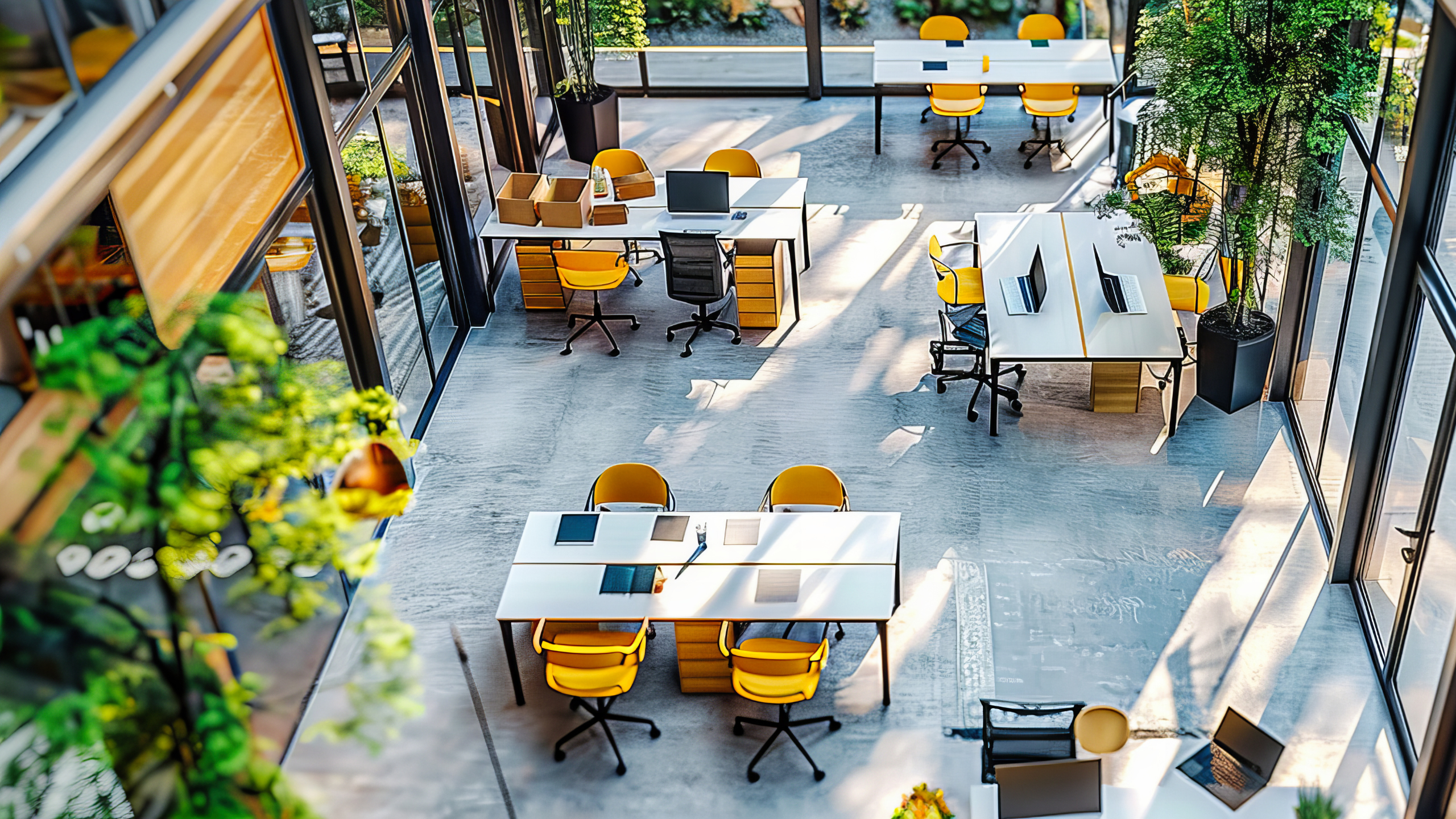
India’s office real estate market is undergoing a major shift. Traditional long-term leased offices are steadily giving way to flexible workspaces that offer scalability, technology integration, and cost efficiency.
From startups to large enterprises, businesses are adopting flex offices as a smarter way to manage workspace needs in a dynamic work environment.
Why Flexible Offices Are Gaining Popularity
Modern companies prefer workspaces that allow them to :
• Expand or downsize quickly
• Reduce long-term lease liabilities
• Access premium infrastructure without heavy capital investment
• Support hybrid and distributed work models
Flexible workspaces provide this agility while maintaining professional office standards.
Technology Is Powering the Flex Revolution
Today’s flex spaces are equipped with advanced features such as :
• AI-driven desk booking systems
• IoT-enabled occupancy sensors
• Biometric access and air-quality monitoring
• Smart energy management systems
• Predictive maintenance and automation
These technologies not only improve user experience but also reduce operational costs significantly.
Cost Savings and High Efficiency
Businesses operating from flex spaces often report :
• Up to 30% savings in overall office costs
• Higher space utilization
• Reduced maintenance and facility management expenses
• Better employee satisfaction and productivity
The ability to pay only for the space you use is a major financial advantage.
Ideal for Startups, Enterprises, and GCCs
Flexible workspaces are particularly attractive to :
• Startups looking for plug-and-play offices
• IT firms and Global Capability Centers (GCCs)
• Companies expanding into new cities
• Organizations adopting hybrid work policies
These offices eliminate setup time and offer immediate operational readiness.
Decentralization and Tier-II City Growth
High Occupancy and Investor Interest
The Future of Office Spaces
As workplace expectations evolve, offices are becoming:
• More adaptable and scalable
• Technology-driven and data-managed
• Comfort-focused with smart climate control
• Designed for collaboration and productivity
Flexible workspaces are leading this transformation.