


Data Centre Real Estate in Mumbai: The New Asset Class Redrawing the Land Map
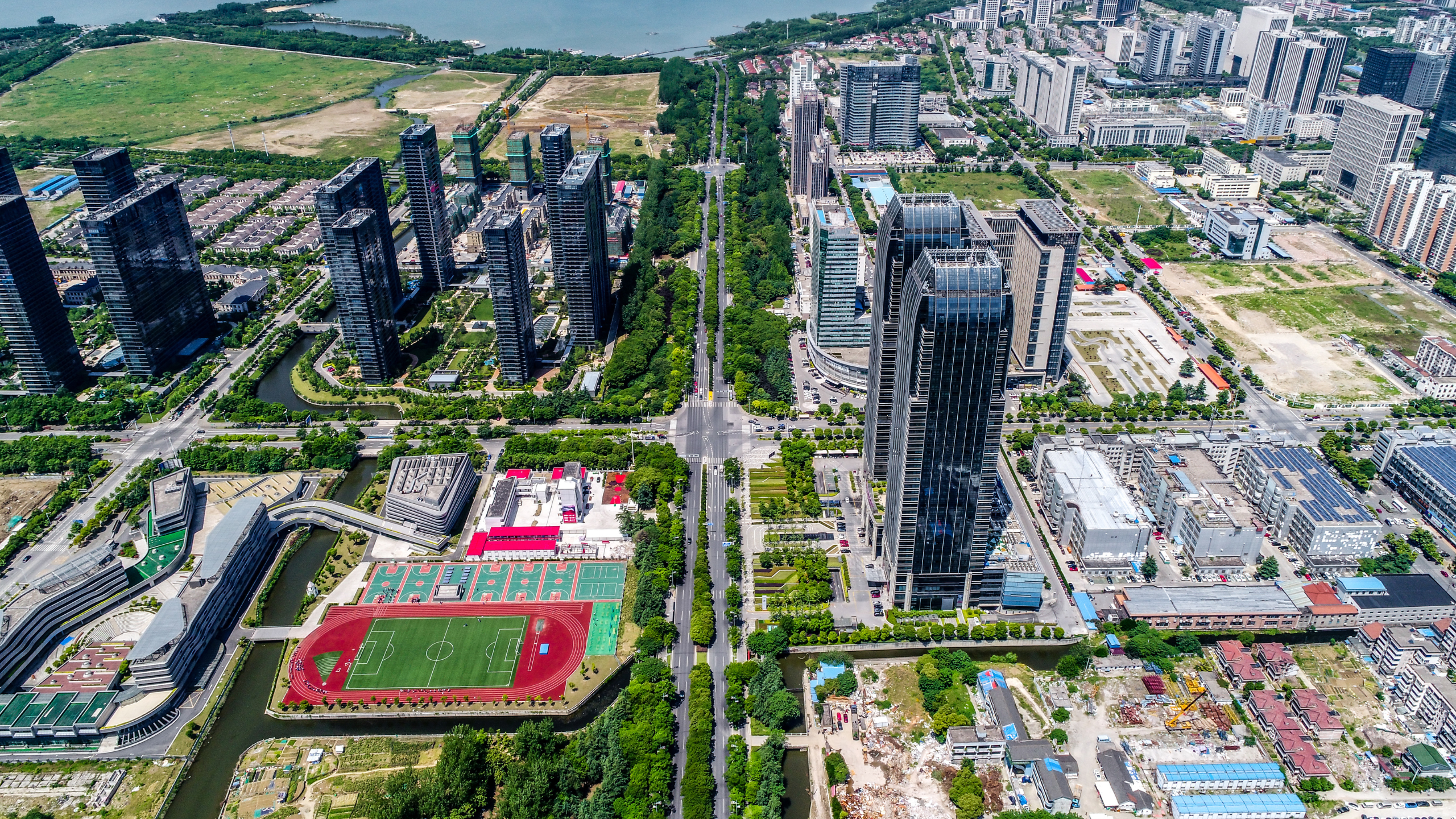
Data centres have quietly become one of the most powerful forces in Mumbai real estate. The city holds roughly half of India’s total data centre capacity, India attracted around 38 billion dollars in data centre investment commitments in the first half of 2026, and Blackstone and Panchshil are set to build what they call India’s largest data centre campus in Navi Mumbai, a 500 MW project worth about ₹20,000 crore. In proven corridors, data centre led appreciation in land prices can run at 15 to 25 percent a year. For a landowner or developer in the MMR, this is a new category of institutional buyer with deep pockets and specific needs, and understanding what they want is the whole opportunity.
This is not a passing boom. Data centres are the physical backbone of AI and cloud, which makes them a structural, long term demand story rather than a hype cycle.
The key mental shift is this. A data centre is valued not by square footage but by power. Space is relatively cheap. Electricity and connectivity are everything.
Why is Mumbai the data centre capital of India?
Three reasons converge. Mumbai is the main landing point for the international submarine cables that carry data in and out of India, it houses the financial and corporate demand that consumes that capacity, and Navi Mumbai in particular has land, connectivity and power infrastructure at a scale the rest of the region cannot match. That combination has made Navi Mumbai the single largest data centre market in the country and one of the biggest in the Asia Pacific region.
The momentum is accelerating, not cooling. Industry estimates suggest Mumbai’s share of installed data centre capacity across India’s major markets could rise further through 2030, as banks, cloud providers, technology firms and AI businesses keep demanding more compute. The capital backing it, from global names like Blackstone, AdaniConneX, Yotta, STT and NTT, signals that this is a long horizon bet.
What does the boom mean for landowners and developers?
A new buyer for the right land. Data centre operators need large parcels with reliable, high capacity power, proximity to fibre and cable infrastructure, and low flood and disaster risk. In the MMR, that has concentrated demand around Chandivali, Navi Mumbai, the Thane Belapur corridor and Panvel, where land, connectivity and power line up. A landowner sitting on a suitable parcel in these belts now has an institutional buyer profile that did not meaningfully exist a few years ago.
For most developers, the realistic play is not to become a data centre operator, which is a specialised, capital heavy business. It is to participate around it. That means monetising suitable land to operators, entering joint ventures or land contribution structures with data centre platforms, and positioning residential, commercial and retail projects to capture the workforce and ancillary demand these campuses generate. Understanding which of these routes fits your parcel and your balance sheet is a strategy and positioning question worth getting right before you transact.
What is the binding constraint to know about?
Power. A data centre’s growth is limited less by land availability than by access to reliable, high capacity electricity, and increasingly by pressure to run on renewable energy. This is why parcels near substations, power corridors and grid capacity command a premium for this use, and why a location that looks ordinary for housing can be prime for a data centre. The Blackstone and Panchshil campus, for instance, is designed to draw a large share of its power from renewables, which reflects where the sector is heading.
For a landowner, the practical implication is to understand your parcel’s power access and connectivity profile before assuming its highest value is residential or commercial. For a developer, the ancillary opportunity is real, since these campuses create sustained demand for nearby housing, warehousing and supporting infrastructure, which feeds directly back into conventional real estate along the same corridors.
Sitting on land in a data centre corridor?
The data centre boom has created a new, well capitalised demand source for the right parcels, and a wave of ancillary demand around it. If you own or are developing land in the MMR and want to understand its best use and how to capture the opportunity, Palladian can help you assess and position it. Reach the team at info@palladian.in or +91 22 4299 9999, or through the contact page.