


Borivali and Dahisar 2026 : The Western Suburb Corridor Being Rewired by Coastal Road Phase 2
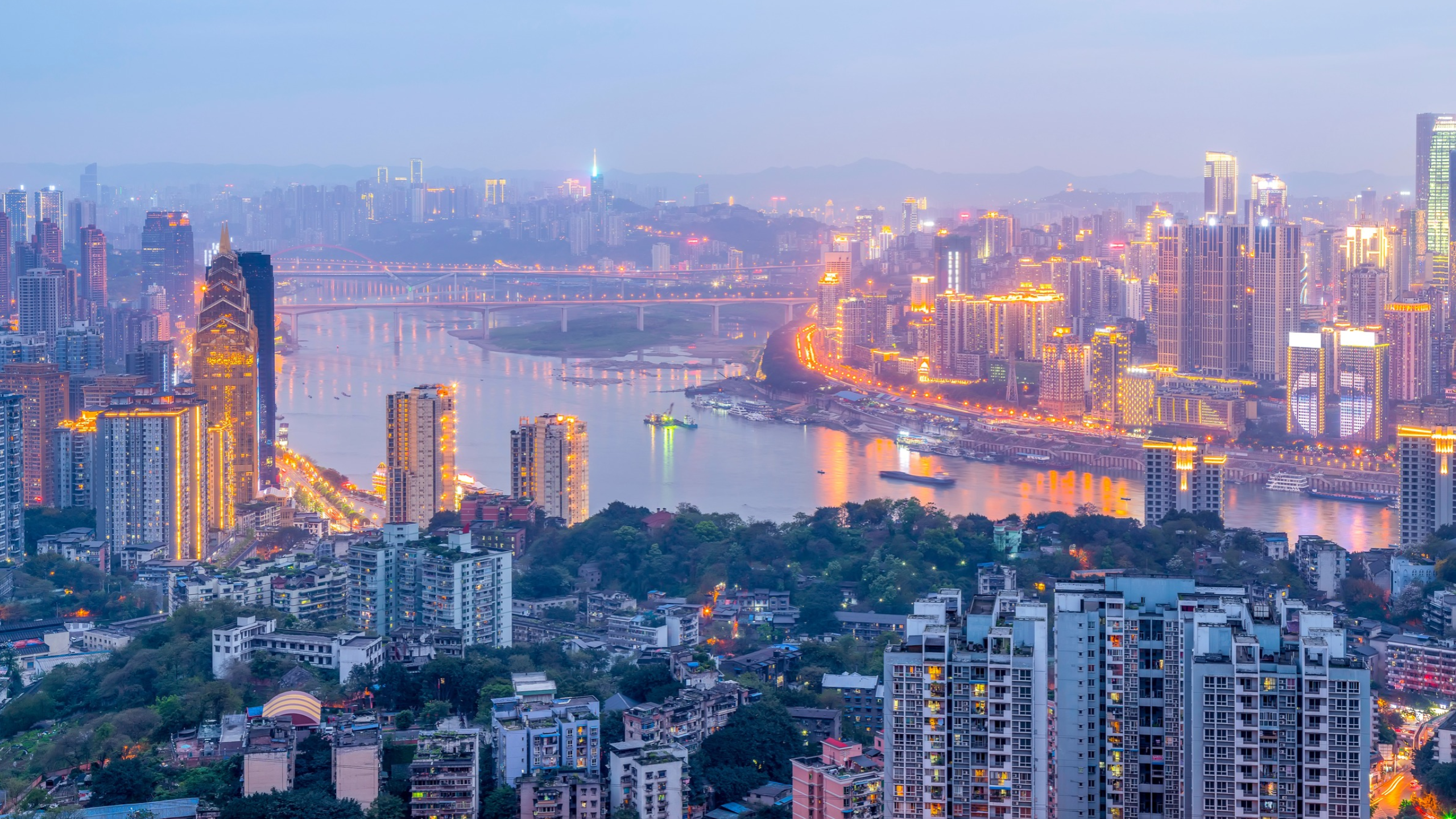
The far western suburbs are entering one of the biggest connectivity upgrades in their history, and the developers positioned ahead of it stand to gain most. In late January 2026, the BMC cleared the last legal hurdle, a mangrove permit, to begin heavy construction on the 26.3 kilometre Versova to Dahisar to Bhayandar extension of the Coastal Road, a roughly ₹22,000 crore project. Add the Thane Borivali Twin Tunnel, which will cut the Thane to Borivali journey from nearly two hours to about 15 minutes by its 2028 target, and the operational Metro Lines 2A and 7, and Borivali and Dahisar are being rewired on three fronts at once. With prices broadly in the ₹25,000 to ₹32,000 per square foot range and land scarce, this is a redevelopment led corridor with a clear infrastructure runway. (Prices are indicative and move quickly.)
The value here is being created now, in the construction phase, not when the ribbons are cut. That is the whole opportunity.
Borivali and Dahisar have always had the essentials, the National Park green cover, established social infrastructure, family demand. What they are getting now is connectivity that changes the math.
What infrastructure is reshaping the corridor?
Three projects, stacking. The Coastal Road Phase 2 extension runs up the western seafront to Dahisar and Bhayander, with Phase 1 already fully operational, and heavy construction on the northern stretch now underway after the final clearance in early 2026. Because the northern stretch operationalises later, the benefit to Borivali West and Dahisar is meaningful but more timeline dependent, building through 2026 to 2028, which is precisely why early positioning matters.
The Thane Borivali Twin Tunnel, an 11.8 kilometre underground link of roughly ₹18,000 crore, is the second pillar, creating a near 15 minute connection between Borivali and Thane and a genuine tunnel premium, with estimates of 15 to 20 percent uplift for property within a few kilometres of the portals. The third is the metro, with Lines 2A and 7 already connecting the Andheri to Dahisar belt and further extensions planned. This is the classic infrastructure led repricing we examined in our piece on Mumbai’s infrastructure corridors, where the gains accrue to those who position before completion.
What does the corridor offer, and what are prices doing?
A well established, family oriented western suburb with room to grow. Borivali and Dahisar have long drawn homebuyers for the Sanjay Gandhi National Park green cover, established schools, retail and healthcare, and relative value against the southern and central western suburbs. Prices broadly sit in the ₹25,000 to ₹32,000 per square foot band across the corridor, with wide variation by pocket and project, and rental yields in the modest 3 to 3.5 percent range typical of established residential Mumbai.
The appreciation profile here is steady rather than explosive, often cited around 6 to 8 percent, because much of the infrastructure benefit is still building and some will only be realised as the Coastal Road northern stretch and the tunnel open toward 2028. For a developer, that steadiness plus a clear infrastructure runway is an attractive combination: genuine end user demand now, with a connectivity driven uplift ahead.
Where should developers look in this corridor?
Toward redevelopment, because land is scarce. The western suburbs are land constrained, so new supply here comes overwhelmingly from redeveloping older societies, and redevelopment activity along the Western Express Highway belt in Borivali and Kandivali has been brisk, with multiple society redevelopments of significant value registered recently. The clearest developer opportunities are redevelopment of well located societies in the Borivali West and East core, projects within the tunnel portal and metro catchment that will capture the connectivity premium, and well specified family housing that suits the corridor’s core buyer.
This is home territory for Palladian, whose work in the western suburbs, including projects in Borivali, is built on exactly this kind of micro-market reading, which you can see across the project portfolio. Assembling and positioning a redevelopment here, with the infrastructure timeline in mind, is where our guide to Mumbai redevelopment and sharp strategy and positioning come together.
What should developers and buyers watch?
Timing and pockets. The biggest connectivity benefits, especially from the Coastal Road northern stretch and the tunnel, arrive toward 2027 and 2028, so this is a position early corridor where the advantage goes to those who move during construction rather than after completion. Within the corridor, proximity to the tunnel portals, metro stations and the Coastal Road access points will drive the sharpest appreciation, so pocket selection matters enormously. Reading that correctly is exactly the micro-market judgment that separates a well timed project from a late one. This is market information, not investment advice, so specific decisions warrant professional counsel.