


Navi Mumbai Airport Real Estate : Where the Upside Is, & Where It Is Already Priced In
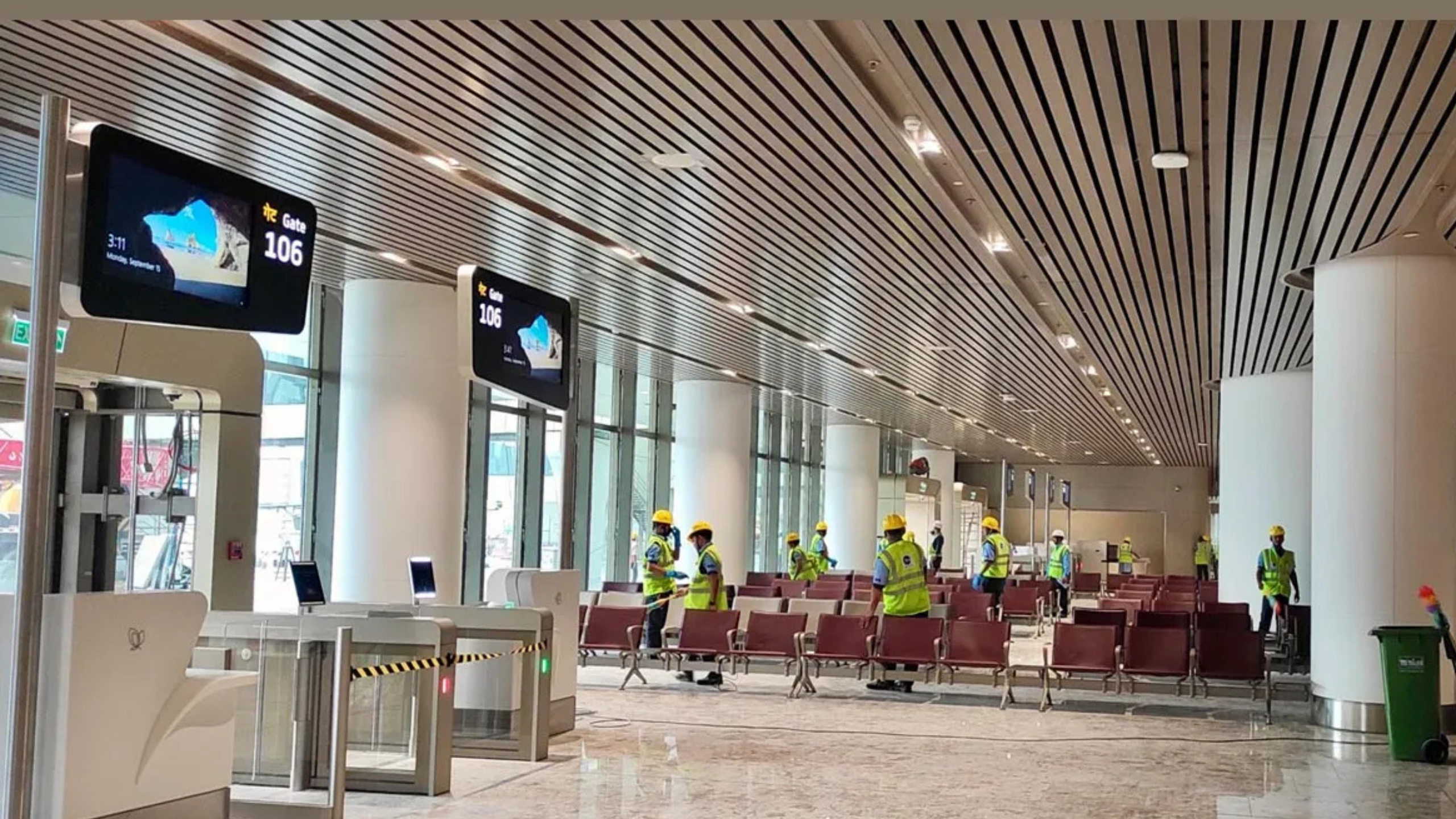
The Navi Mumbai International Airport is now live. Domestic flights began in December 2025, the airport moved to round the clock operations in February 2026, and the first international flight departed for Abu Dhabi in July 2026, with phase one built for around 20 million passengers a year and roughly 4 lakh jobs expected across the ecosystem. Prices along the belt have responded, with Ulwe climbing from about ₹12,300 per square foot in 2021 to a ₹14,500 to ₹16,600 range in 2026 and plot values up more than 90 percent. The opportunity is real. So is the trap. For a developer or investor, the discipline now is to buy what is running today, not what a brochure promises for 2030.
The easy speculative gains are largely gone. What remains is a longer, sturdier end user story, and it rewards precision, not hype.
The single most useful habit in this corridor is to ignore the asking rate and look at what deals actually register.
Is it too late to invest near the Navi Mumbai airport?
Too late for the quick flip, not for the fundamentals. The phase of doubling your money on announcement alone has passed, because the airport is now operational and much of that expectation is in the price. What is left is a demand driven market, with analysts forecasting sustained appreciation in the region of 8 to 12 percent a year, and up to 15 to 20 percent in the strongest nodes, as airport linked infrastructure matures through 2030.
That shift, from speculative to end user and rental demand, is actually healthier for a developer. Airport staff, aviation and logistics professionals, and families priced out of Mumbai proper are a real, recurring buyer base, not a momentum trade. The Atal Setu sea link has effectively turned parts of Navi Mumbai into a commutable extension of South Mumbai, which broadens that buyer pool further.
Where is the real upside, node by node?
Not every location gains equally, and the closest is not automatically the best. Ulwe sits adjacent to the airport with the sharpest appreciation and strong rental demand, though its social infrastructure is still catching up. Panvel offers steadier, more established growth with a mature railway and highway base. Kharghar brings the most developed social infrastructure and stable residential demand. The nodes closest to the terminal, such as Pushpak Nagar and the peripheral Dronagiri and Palaspe pockets, carry the earliest stage upside but also the thinnest amenities and the widest gap between what sellers ask and what buyers actually pay.
For a developer choosing where to launch or land bank, that maps cleanly to buyer type. A project aimed at end users who want certainty leans toward Kharghar or established Ulwe. A play positioned for early stage capital growth leans toward the newer NAINA pockets, with eyes open about the amenity gap and the longer wait.
What is the airport premium trap?
Paying today for infrastructure that does not exist yet. The airport runs now, and pricing it in is fair. The NAINA area metro, by contrast, is proposed rather than built, so a seller who prices in a line that is years away is asking you to fund their speculation. The disciplined move is to pay for what is operational, the airport, the existing suburban rail, the Atal Setu, and treat unbuilt connectivity as optional upside rather than baked in value.
This is where reading registered transaction data matters more than any listing. In parts of the belt, deals close well below asking, so a developer underwriting land or pricing a launch off quoted rates will overpay and misjudge absorption. Grounding acquisition and pricing in rigorous micromarket analysis, on registered values and real completion timelines, is what separates a project that sells from one that stalls on optimistic pricing.
What should developers do in this corridor now?
Position for the end user, price to registered values, and pick the node to match the buyer. Launch into locations where connectivity is operational today, reserve the speculative pockets for buyers who understand the timeline, and build the pricing, positioning and sales plan around the real, recurring demand the airport is generating rather than the news cycle around it. The corridor rewards patient, precise operators, which is also worth remembering when you decide how to choose an advisory partner to help read it.